
Our pool leak detection services fee start around couple of hundreds of dollars for slab leak, but they depend on property and house size. Pool leaks take a little more time and labor to find, so they're a little bit more expensive, but fees are also depending on pool size and additional water features like spas, in-floor cleaners and fountains that are part of your pool system. We always try to keep our fees at a minimum, so if you suspect that your leak is in the spa, we can start by checking it first and if we find a leak that matches your water loss we can stop there and not check the rest of the pool.
We can locate water leaks on any pressurized house pipe, main lines, irrigation pipes and pool lines. In pools we can locate any shell leak, air leak at pool equipment or any underground pipe leak
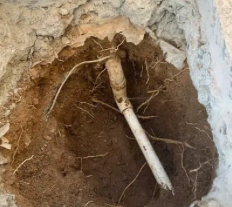
We use latest ultrasonic devices and hydrophones that are specifically [designed for pool leak detection companies to pinpoint pipe leaks, which coupled with our experience, allows us to be either right on top of the pipe break or within a foot or two of the pipe leak.Sound travels differently through different deck material and concrete finish. Ground and concrete consistency also play a huge role. Our techs have thousands of hours using leak detection devices, listening for leaks and dealing with all the issues that we run into when in the field. That experience is what makes us different than other leak detection companies. It is said that to be an expert in a field you need to invest 10,000 hours in practice - we have done so.
It's the name of technology used to locate leaks on pressurized plumbing. Water makes noise that is outside of human ear sound spectrum. As water and air exit the pipe at the leaking spot, ultrasonic listener "translates" that noise into sounds that we can actually hear, and judging by the sound intensity we can tell if we're getting close to the pipe break.

Swimming pool leak detection should not be rushed and considering that every job is different, it shouldn't take us more than 1.5 hours to find a house leak, and no more than 2 hours to test a standard size pool and find all leaks in it.
No, it does not. Actually, we prefer it to be a normal water level.
Besides ultrasonic listening we regularly use hydrophones (underwater microphones), camera inspection in certain cases and pipe pressure testing.
PVC plumbing used for pools is rated at around 220 psi, but working pressure rarely goes over 30 psi. We usually test pool pipes at around 20-25psi, so we are far below PVC pipe pressure ratings, so there’s absolutely no reason to worry. When it comes to house plumbing, we don’t go over 100 psi – copper pipes are rated 500-600psi depending on their size and PEX is rated at 160 psi, so again our pressure test will be at levels way bellow pipe ratings.
In most cases yes, unless your pool drops down more than few inches per day. On one side you don’t want to risk your pump breaking down because it runs dry when pool gets too low, and on the other you don’t want to dump all that water in the ground every day, because it will just leak out. You also
shouldn’t turn off your pump because pool water will turn green. So, there is no simple answer to this question. Either way if your pool leak is small or large, you want it diagnosed as soon as possible. Smaller leaks usually become larger very fast and you really shouldn’t risk damage to your pool or
equipment.
Pop-ups can definitely develop a leak, just like any other pool pipe. Actually, in-floor cleaning system adds at least five or six more pipes to your pool equipment, and for the most part these pipes run under the pool floor. So, even though pop ups work great when it comes to cleaning your pool (at least they should if they work properly) they do add to the pool system complexity and pools with pop-ups are more prone to developing leaks. Now, some pool professionals might disagree on that, but from our experience, pools with pop-ups simply have more plumbing and spots to develop a leak over time, and they tend to do so.
Pool leak repairs can range from simple plaster patches that cost couple of hundreds of dollars to expensive crack injections, skimmer replacements and underground repairs that can cost upwards of few thousand dollars, but on average are around $1,500. Most costly pool leak repair can occur on pools where thin PVC or flexible PVC was used and a pipe needs to be re-laid, so we need to run a brand-new pipe from pool equipment to the pool through dirt and concrete. Don't be alarmed, this is a rare occurrence and in majority of pools we test for leaks, don't actually find a broken pipe or pipe that needs to be replaced.
Some of the work we do is plumbing pressure testing, pipe break locating, underground pipe repair, winter diving and shell leak inspection. While a person that cleans pools sometimes might engage in these activities, we do this every day and have tremendous amount of experience doing leak detections. Your pool guy's main job is to keep the pool sparkling clean and to maintain your pool equipment, not to chase underground leaks he's not equipped to find. We actually work with many pool maintenance companies and detect leaks on their pools and we often get recommended to home owners from their pool guys.
We can test some of the pipes, but we can't dive in to inspect he shell or test pipes that are at the bottom of the pool (e.g. main drain or fountain suction pipe). It's better to either make the pool water clean or completely drain it if water it too green to be chemically treated, clean the algae build-up after drainage and then call us to do our leak test.
In our opinion absolutely yes. Home inspectors only check how the pool is working, inspect pool equipment for visible leaks and sometimes check pool water chemicals. Home inspectors can't find broken underground plumbing or find a pool light leak. Pool equipment leak is easy to spot and usually
Evaporation depends on few factors. Obviously, temperature affects it greatly as well as air humidity. Another factor is wind. On a windy, dry and hot day, pools in Phoenix area can lose up to ½ in. per day. On average summer day, your pool should not evaporate a lot more than ¼ in. per day. In the winter
time evaporation is minimal and you shouldn't lose more than 1 inch of water per week. If your pool drops more than these amounts, you probably have a leak somewhere in the pool or in its plumbing.
